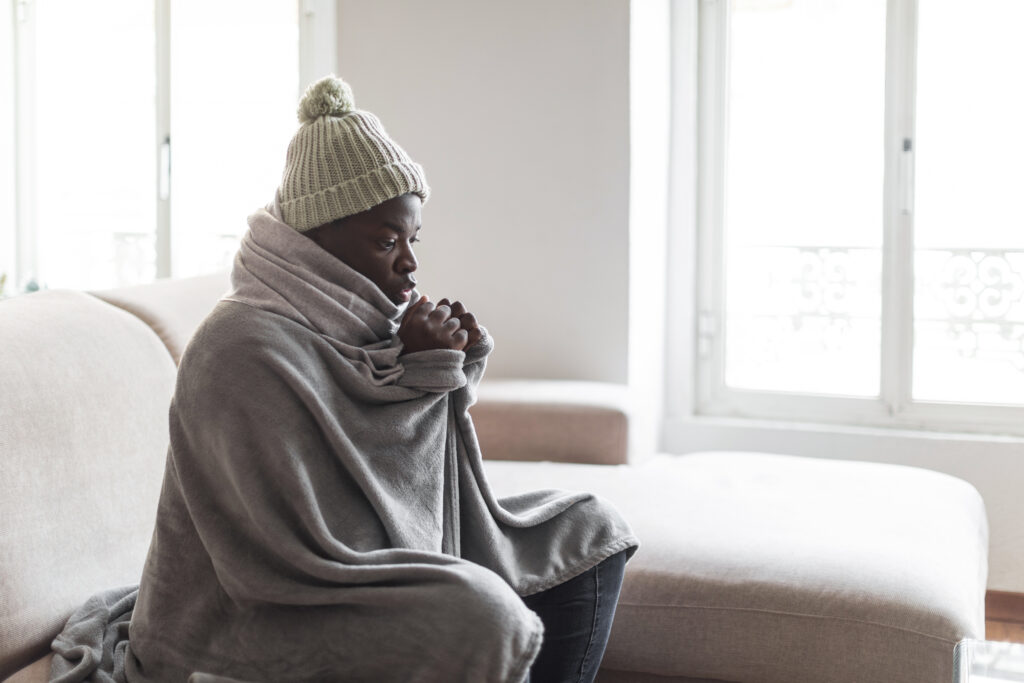
You rely on your furnace to keep your home warm and comfortable in the colder months. So, when it stops working, you’ll probably notice immediately. And you’re here because you’ve found yourself wondering, “Why is my furnace blowing cold air?” We have some answers.
In this blog, we’ll go over five of the most common reasons a furnace starts blowing cold air, such as:
- Thermostat problems
- Furnace is overheating and shutting down
- Airflow problems are restricting heat
- Pilot light or ignition system has failed
- Mechanical failure is preventing heat production
Soon, you should have a better idea of what’s causing your furnace to malfunction and what steps you’ll need to take next.
Warm Up Your Home with RCM Furnace Repair
1. Thermostat Problems
There are a few thermostat-related issues that could be causing your furnace to blow cold air:
- Incorrect thermostat setting. Setting the thermostat to ON instead of AUTO will keep the fan blowing even when the furnace isn’t producing heat.
- Broken thermostat. Faulty or miscalibrated thermostats can send incorrect signals to the furnace, resulting in inaccurate temperature control.
- Dead batteries. When the batteries in a battery-powered thermostat die, it can disrupt the communication between the furnace and thermostat.
- Smart thermostat is malfunctioning. Smart thermostat programming errors may unintentionally keep the fan running without heat.
2. Furnace Overheating and Shutting Down
An overheating furnace triggers the high-limit switch, shutting off the burners for safety. Or your furnace could be short-cycling. Short-cycling due to overheating can cause the air to feel cold when it’s blowing.
Some of the possible reasons for a furnace overheating are:
- Clogged air filters
- Dirt accumulation on the system
- Blocked vents or returns that trap hot air inside the system
- Faulty limit switch
Start by cleaning your furnace and checking whether the air filters need to be cleaned or replaced. If that doesn’t resolve the issue, call a technician.
3. Airflow Problems Restricting Heat
Your furnace might be blowing cold air because it has internal issues that are restricting proper heat airflow. The reason for this type of issue could be:
- Dirty or clogged filters blocking airflow and reducing heat transfer
- Closed or obstructed vents preventing warm air from reaching living spaces
- Leaky ductwork causing heated air to escape before it reaches rooms
- Poorly designed duct systems leaving certain areas feeling cold
If you know your air filters are clean, the rest of these issues can be too complicated for a DIY fix. It’s best to consult an HVAC professional who can accurately diagnose and address the issue.
4. Pilot Light or Ignition System Failure
For gas furnaces, a blown-out pilot light indicates that no heat is being produced. Often, this can be a simple fix that just requires you to relight it yourself by carefully following the system’s specific instructions. However, if the light keeps going out, it’s time to call a professional. Additionally, it’s essential to recognize that gas furnaces carry some safety risks, so it’s generally recommended to avoid DIY solutions.
Another potential problem with a gas furnace blowing cold air is gas supply interruptions, which can stop the ignition entirely. Gas supply issues require professional repair.
If you have a gas furnace, your cold air could be a result of:
- The electronic ignition systems failing due to worn parts or electrical issues
- Thermocouple failures preventing the pilot from staying lit
Both of these issues require the help of an HVAC technician.
5. Mechanical Failure Preventing Heat Production
Your furnace may be experiencing a mechanical failure that’s preventing proper heat production. Some examples of relevant mechanical failures are:
- Faulty blower motors circulating air without heat
- Damaged heat exchangers
- Malfunctioning control boards failing to signal the burners to ignite
- Gas valve issues blocking the fuel supply needed for heating
Mechanical failures can be complicated repairs and require expert knowledge to properly diagnose and fix the issue.
Your furnace is an essential (and expensive) system in your home. Generally speaking, unless you’re cleaning out an air filter, it’s best to avoid DIY repairs. Calling the professionals will ensure the problem is correctly fixed, and you don’t risk causing even more damage to the furnace.